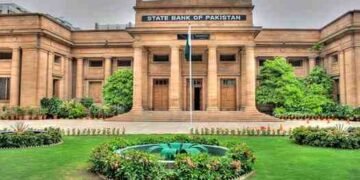

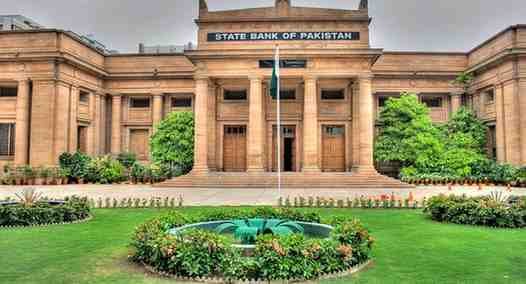
After the State Bank of Pakistan’s (SBP) confirmation of the successful repayment of $3.45 billion to the United Arab Emirates (UAE), Pakistan’s economic situation in 2026 has significantly changed. This development reflects changing economic strategy, IMF compliance, and changing geopolitical alliances, making it more than just a financial transaction.
Pakistan UAE Repayment 2026
•$3.45 billion in UAE deposits have been refunded by Pakistan.
•In April 2026, the final $1 billion installment was cleared.
•$2.45 billion that was paid in prior tranches
•To maintain foreign reserves, deposits were kept at SBP.
Considering UAE Deposits: Pakistan’s Lifeline
Through cash deposits made into SBP reserves, the UAE has been instrumental in strengthening Pakistan’s economy over the last ten years. Pakistan benefited from these deposits:
•Maintain its foreign exchange reserves.
•Prevent balance-of-payments issues
Fulfil IMF requirements for outside funding
These deposits, in contrast to conventional loans, were frequently renewable and short-term, meaning they were rolled over rather than paid back.
The Three Crucial Repayments Described
The UAE’s reliance on deposits ended in 2026 when Pakistan finished repayment through three significant financial milestones.
•First Repayment – Partial Settlement Pakistan reduced its outstanding liability to the UAE by starting repayment with a sizable first outflow. This action demonstrated a desire to break free from dependency.
•The second repayment is the bulk payment of $2.45 billion.
The majority of the deposit was cleared in the second tranche, which was the largest. Careful reserve management and assistance from allies were needed for this.
. $1 billion is the final repayment (April 2026).
The chapter was formally closed with the final installment. Pakistan fully reimbursed UAE deposits held in SBP with this payment.
Why Did Pakistan Make the Repayment Now?
Requirements for the IMF Program Currently, Pakistan is a part of a $7 billion IMF program that highlights: Lowering short-term obligations Increasing financial openness Improving reserve administration Repaying deposits from the UAE supports these objectives and enhances Pakistan’s reputation.
Impact on the economy of Pakistan
•Enhanced Credibility Worldwide
Repayment attracts investors by improving Pakistan’s reputation as a responsible borrower.
•Improved IMF Cooperation
The likelihood of ongoing funding and support is increased when IMF expectations are met.
•Economic Stability Over Time
Future financial risk is reduced by cutting short-term obligations.
Pakistan, the UAE, and the IMF: A Strategic Triangle
Pakistan’s ties to the UAE and IMF demonstrate a careful balance:
•The IMF calls for financial reforms.
Pakistan needs to carefully maintain both of these relationships since the UAE offers crucial financial help.
•The repayment preserves diplomatic goodwill while bolstering Pakistan’s standing with international lenders.
Conclusion
An important step in Pakistan’s economic recovery is the $3.45 billion repayment to the United Arab Emirates in 2026. It displays:
dedication to sound financial management
Compliance with IMF regulations
Strong diplomatic relations
However, the path ahead is still difficult. Reduced reliance on outside funding, reforms, and sustained growth are all necessary for true economic stability.