
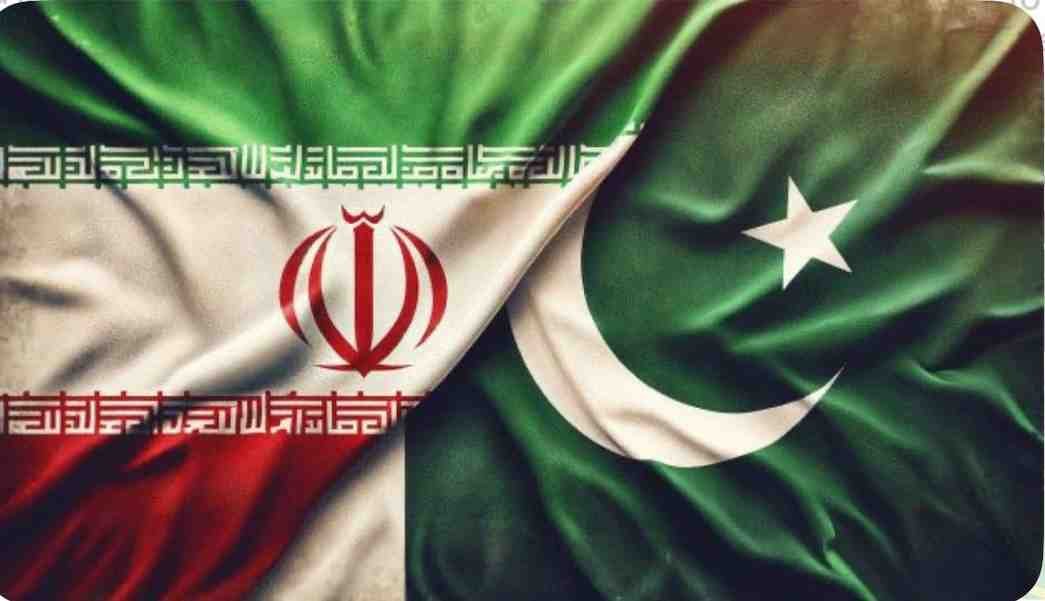
Pakistan has contributed to an important move in its export strategy by attempting to deliver beef to Central Asian nations via a new trade route via Iran. While addressing persistent issues on conventional trade routes, the action is intended to provide access to new markets.
Karachi’s first shipment under this corridor has already departed. To preserve quality throughout the trip, it is being transported in a chilled container. The shipment is travelling under the TIR system, which minimises border waits and enables commodities to travel across several nations. When handling perishable goods like meat, this approach helps exporters save money and time.
The initial the shipment was jointly facilitated by Pakistan Customs, with the first two reefer TIR transport units at BOML CFS being formally inaugurated by DG Transit Sanaullah Abro and Director Transit Rashid. The management of BOML CFS and the PNC-ICC chief were in attendance, as were representatives from logistics operator M/s Broadpeak, including Farhan Siddiqui and Tayyab.
According to officials, the development represents a major development in Pakistan’s transit trade framework, as it highlights the potential of the Gabd–Rimdan corridor to enhance Gwadar’s strategic connectivity and widen access to emerging export markets in Central Asia.
Compared to the unstable Afghanistan route,which has been experiencing regular interruptions as of late, the new route, which links Pakistan to Central Asia via Iran, provides a more stable way.
Pakistan’s livestock sector is already a substantial contributor to the economy.The livestock industry in Pakistan already makes a significant economic contribution. It makes up roughly 14% of the nation’s GDP and 60% of the agriculture sector. The Middle East has consistently been the destination for beef exports; however, the growing demand for halal meat provided Central Asia an appealing market.