
One of the main economic issues facing Pakistani citizens, companies, and policymakers is fuel pricing. Every aspect of daily life is being impacted by petrol inflation, from growing transportation costs to pricey food supplies. The effects of worldwide conflicts and geopolitical tensions, particularly those in the Middle East and disruptions in international oil markets, are a significant contributing factor to this issue.
The most dramatic topic in the history of petrol prices in Pakistan began on February 28, 2026, When Israel and the United States initiated military operations on Iran. Strait of Hormuz closure, a tiny waterway that passes through about 20% of the world’s oil supply. Energy markets experienced a panic not seen since the 2008 crisis as Brent oil shot up from about $75 per barrel to over $130 in a matter of weeks.
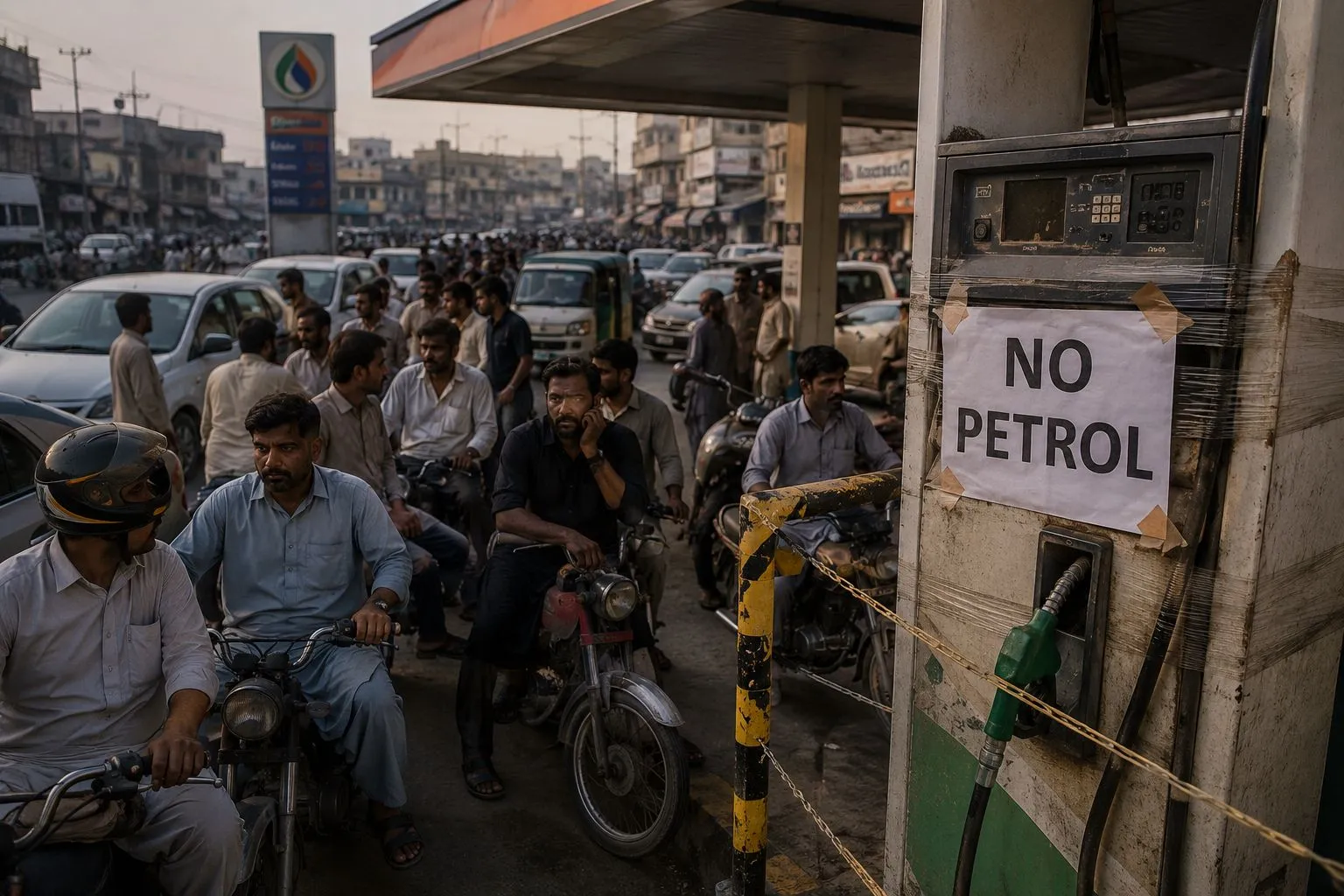
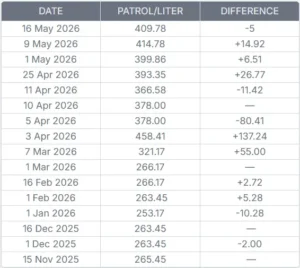
The petrol prices surged to around Rs393 per liter in April 2026 following yet another significant spike connected to regional conflicts and problems in oil supply channels, the situation deteriorated even more. Additionally, the gasoline charge itself exceeded Rs117 per liter, according to reports, making fuel even more costly for regular people.
The federal government has lowered the price of fuel and diesel by Rs. 5 per liter for the next seven days.
409.78. The new prices will go into effect right away on Saturday, May 16, 2026.Only one week has passed since the government approved a price hike of Rs. 15 per liter for diesel and Rs. 14.92 per liter for petrol on May 9.
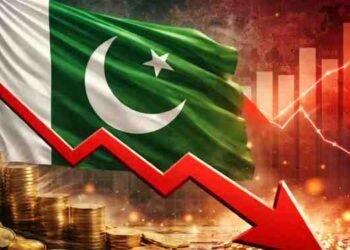
Details prize graph of Pakistan fuel rates 2026 to 2025
Pakistan’s Reliance on Oil Imports
To satisfy domestic demand, Pakistan imports a significant portion of its petroleum products. Due to this strong reliance on global oil markets, local fuel costs are rapidly impacted by any international crisis. Crude oil prices rise globally when tensions in oil-producing regions like the Middle East escalate, making imports more expensive for nations like Pakistan.
Economic researchers estimate that Pakistan imports petroleum worth billions of dollars every year. Because oil transactions are conducted in dollars, the impact is exacerbated when the Pakistani rupee declines in value relative to the US dollar.
The Effects of War on Fuel Prices
Global energy markets are unpredictable due to wars and armed engagements. Investors are concerned about interruptions to refinery production, shipping routes, and oil supply chains. The outcome is a dramatic increase in the price of crude oil on a global scale.
Global oil prices have already been impacted by recent geopolitical conflicts involving Iran, Israel, Russia, and Ukraine. Concerns over security have also raised the cost of shipping via vital routes like the Strait of Hormuz. These channels carry a significant amount of the world’s oil, thus any threat sends international markets into a panic.
For Pakistan, this implies:
Increased costs for petrol and diesel
Higher manufacturing costs for electricity
Increased food and transportation costs
Foreign exchange reserves are under pressure.
An increased burden on regular citizens
Final thought
Due to Pakistan’s heavy reliance on imported fuel, every increase in international crude oil prices directly affects local petrol prices; analysts caution that if geopolitical tensions persist, there is a strong possibility that petrol prices in Pakistan could rise further in the upcoming months. Economic experts believe that wars in the Middle East, particularly tensions involving Iran and disruptions around the Strait of Hormuz, are creating serious uncertainty in global oil markets.
Millions of people in Pakistan are now affected by petrol inflation, which is no longer merely an economic problem. Fuel prices, travel expenses, energy bills, and food inflation are all directly impacted by international conflicts and geopolitical tensions.
Rising gas costs result in decreased savings, costly living, and financial instability for the average Pakistani. Fuel inflation is likely to continue to be a major issue for both the public and the economy until global stability improves and Pakistan increases its energy independence.