
The Islamabad Talks,
which took place on April 11 and 12, 2026, turned into a significant turning point in the continuous attempts to ease tensions between the US and Iran. The Middle East was already experiencing instability at the time of these talks, and pressure from the international community to prevent further escalation was mounting. Pakistan intervened as a host and mediator, providing its capital as an impartial venue for direct communication between the two parties.
*When did the delegations get to Islamabad?
To promote peaceful negotiations, arrival times were carefully scheduled. The Iranian group arrived in Islamabad before to the formal beginning of negotiations. They were able to contact Pakistani officials and plan their strategy because of their early arrival. Additionally, it made possible the behind-the-scenes conversations that are frequently required prior to the start of formal talks.
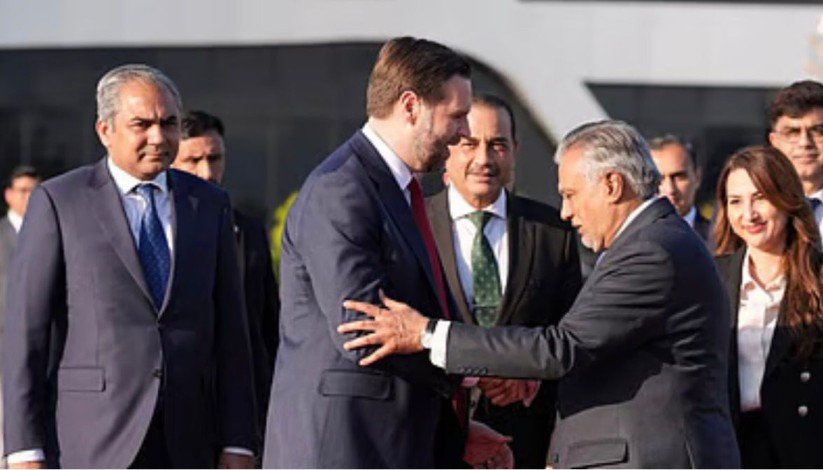
On April 11, 2026, the US delegation, headed by Vice President JD Vance, arrived. High-level engagement began with his arrival. He brought a substantial number of advisors, diplomats, and security guards with him, demonstrating how seriously Washington was treating these negotiations.
The primary negotiating team, expert teams, media representatives, and traditional ceremonial and security teams make up the 71-person Iranian delegation.
The Iranian delegation is led by Speaker of the Iranian Parliament Mohammad Baqer Qalibaf and consists of Foreign Minister Abbas Araqchi, Governor of the Central Bank of Iran Abdolnaser Hemmati, and National Defence Council member Ali Akbar Ahmadian.
Deputy Foreign Minister Kazem Gharibabadi, Iranian Foreign Ministry Spokesperson Esmaeil Baqaei, Deputy for Foreign Policy at the Supreme National Security Council Ali Baqeri Kani, Parliamentarian Mahmoud Nabavian, Speaker of the Parliament Abolfazl Amouei’s International Affairs Assistant, and Speaker of the Parliament Mahdi Mohammadi’s Strategic Advisor are all part of the Iranian delegation.
On April 11, the talks started later and lasted almost the entire day. Both parties concluded negotiations around April 12, 2026, and began to leave Islamabad without reaching a formal deal.
What took place at the Islamabad Talks?
The discussions took place in Islamabad, mostly in a safe hotel that could accommodate such a prominent gathering. Even when talks grew
challenging, Pakistan’s leadership actively managed the process by facilitating communication between the two sides.
The discussions were organised into multiple rounds. Initially, messages were transmitted via Pakistani intermediaries rather than face-to-face communication. When confidence is poor, this indirect strategy is frequently used. Subsequently, there was some readiness to proceed when both parties decided to meet for direct talks.
There were indications of improvement at one point. According to reports, negotiators had almost reached a fundamental consensus. Nevertheless, this progress was not sustained long enough to result in a final agreement.
The discussions took place in Islamabad, mostly in a safe hotel that could accommodate such a prominent gathering. Even when talks grew challenging, Pakistan’s leadership actively managed the process by facilitating communication between the two sides.
The discussions were organised into multiple rounds. Initially, messages were transmitted via Pakistani intermediaries rather than face-to-face communication. When confidence is poor, this indirect strategy is frequently used. Subsequently, there was some readiness to proceed when both parties decided to meet for direct talks.
There were indications of improvement at one point. According to reports, negotiators had almost reached a fundamental consensus. Nevertheless, this progress was not sustained long enough to result in a final agreement.
Principal topics covered
The conversations were shaped by three major points :
1:Nuclear program Strict restrictions on Iran’s nuclear programs were desired by the United States. Iran, on the other hand, maintained that it was entitled to carry out its program in a peaceful manner. Throughout the discussions, this disagreement remained unsolved.
2:Economic sanctions Iran demanded access to its blocked assets and the lifting of U.S. sanctions. Economic assistance was crucial for Tehran. The U.S. stance was that sanctions could only be removed if Iran consented to specific requirements pertaining to its nuclear program.
3:Oil routes and regional securityAnother significant concern was the Strait of Hormuz. The world’s oil supply depends on this route. Iran sought to preserve its strategic dominance in the area, while the United States sought completely navigation.
Why there was no consensus
Despite the 21-hour duration of the talks, neither party was able to reach an agreement. The difference between their expectations was the primary cause. Iran anticipated rapid economic assistance and more equitable conditions, while the United States wanted stringent guarantees.
Following the discussions, statements revealed this gap. According to JD Vance, the United States took the negotiations seriously but was unable to reach a consensus on important issues. Iranian leaders, however, believed that the demands made by the United States were excessively demanding and disregarded their worries.
The long-standing lack of trust was another important element. It was difficult for either side to fully embrace the other’s recommendations due to years of conflict and dispute.
An actual diplomatic case study
The Islamabad Talks offer a crystal-clear illustration of how contemporary diplomacy functions under pressure. One crucial lesson is that success are not always guaranteed, especially at high-level discussions. Senior leaders’ presence is beneficial, but it doesn’t always resolve rooted problems.
The discussions also demonstrate how negotiations can be impacted by time constraints. Both sides had little leeway to change their positions as tensions grew in the background. Compromise became more challenging as a result.
The participation of Pakistan is also notable. It is difficult to host such discussions, and bringing both sides together was a victory in and of itself. A neutral can only do so much, though. The final choice is always determined by the participating nations.
What took place on April 12, 2026?
Both delegations departed Islamabad without signing any agreements following the conclusion of the negotiations. They did not, however, entirely bar future conversations. Both sides’ representatives suggested that negotiations might resume at a later time.
Tensions did not go away at the same time. Both parties were thinking about what to do next, and the situation was still unclear. This demonstrates that conversations can maintain open lines of communication even when they don’t yield results right away.