
How Saudi Arabia’s $3 Billion Aid is Stabilising Pakistan’s Economy
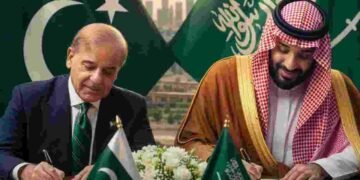
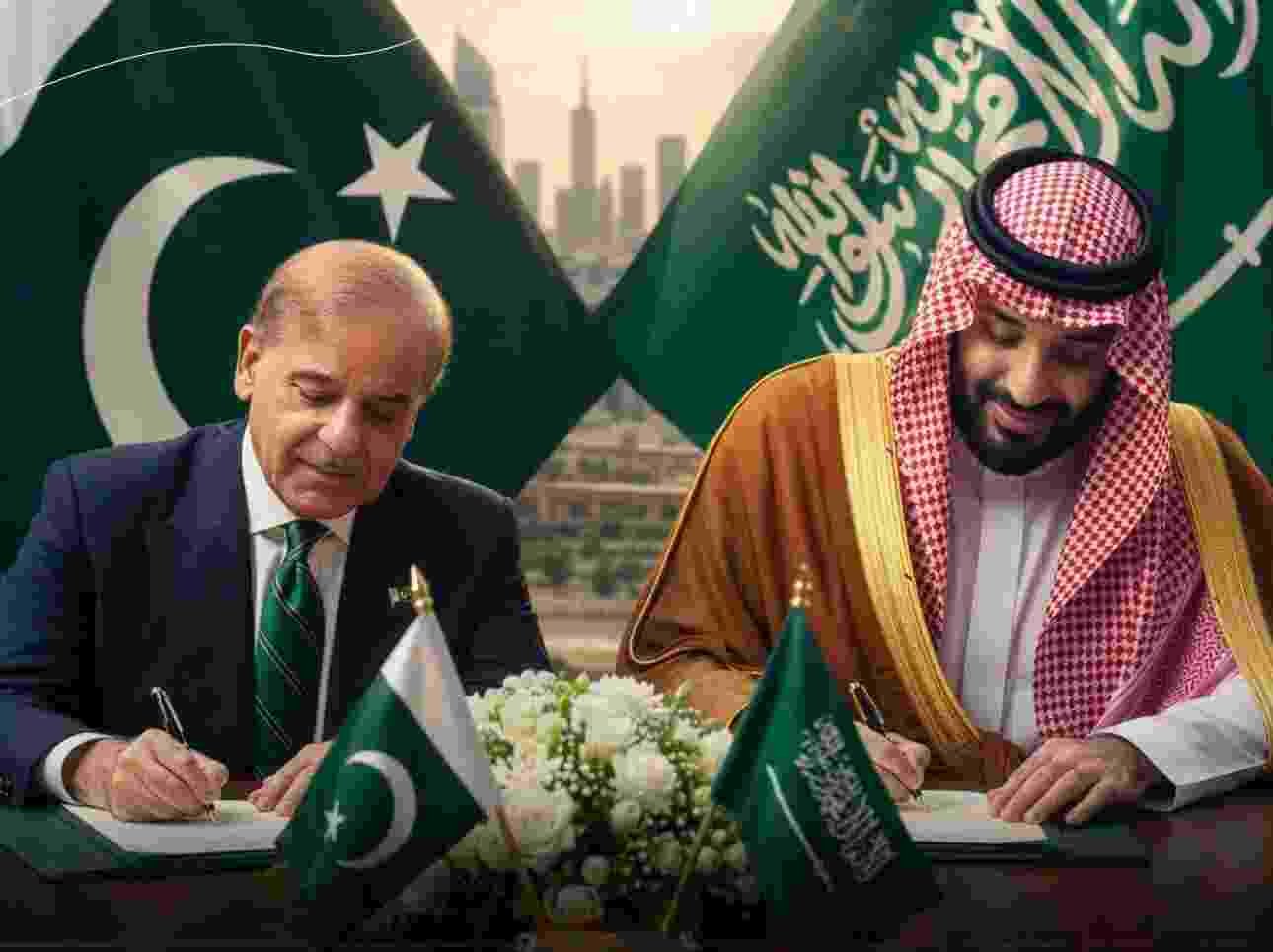
Saudi Arabia reinforced its continued support for Pakistan’s economic stability by announcing a new financial commitment. Finance Minister Muhammad Aurangzeb announced in Washington, D.C., that Saudi Arabia will give Pakistan an extra $3 billion deposit. The money is expected to reach Pakistan within the next week.
Addressing to the media on the edges of the World Bank-IMF Spring Meetings 2026, Aurangzeb stated that the additional support will help reinforce foreign exchange reserves and enhance the external account at a crucial time for Pakistan’s external financing needs.
In order to improve stability in the nation’s reserve position, he added, the current $5 billion Saudi deposit will no longer function under the prior annual rollover arrangement and would instead be extended over a longer term.
He had also met the Saudi Finance Minister in Islamabad the previous Friday, but he pointed out that despite media reports and conjecture, the government had purposefully avoided making public comments in the absence of formal communication because such matters required clarification and mutual understanding before being shared.
He continued by saying that Muhammad Aurangzeb formally acknowledged the development after exercising discretion until official confirmation. He also expressed his profound gratitude to Mohammed bin Salman, Mohammed bin Abdullah Al-Jadaan, and the Saudi leadership for their consistent backing and solid partnership with Pakistan.
In order to diversify funding sources and enhance access to global capital markets, Senator Muhammad Aurangzeb emphasized that Pakistan is actively pursuing a more comprehensive external financing strategy, which includes the recently launched Global Medium-Term Note (GMTN) program and its upcoming debut Panda Bond issuance.
In order to promote long-term economic growth, he finished by restating the government’s determination to uphold macroeconomic stability, fulfil all external financial obligations, carry out structural reforms, and maintain close cooperation with both multilateral and bilateral partners.